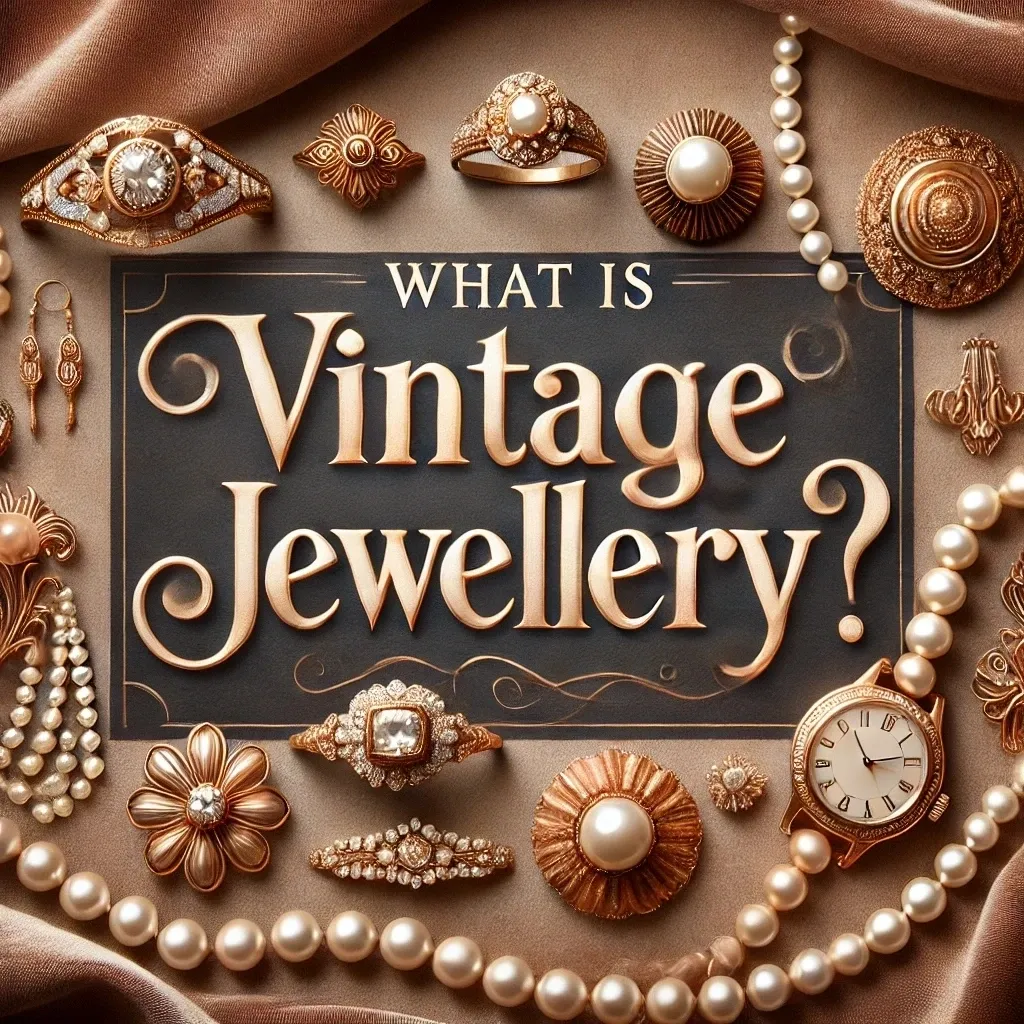
Vintage jewellery holds a timeless appeal that captivates collectors, enthusiasts, and fashion aficionados alike. But what exactly makes jewellery “vintage,” and how do you distinguish valuable pieces from ordinary old jewellery? In this detailed guide, we’ll explore the definition of vintage jewellery, its most iconic periods and brands, and how to evaluate its worth—whether it’s a family heirloom or an upmarket piece.
Note: We buy all Jewellery!
What is Vintage Jewellery?
The term “vintage jewellery” refers to pieces that are at least 20-100 years old. These items reflect the styles, techniques, and cultural influences of their era. Unlike “antique jewellery,” which is typically over 100 years old, vintage jewellery spans a more recent but equally diverse timeframe.
Key Characteristics of Vintage Jewellery
- Age: Generally, pieces from the 1920s to the 1980s are considered vintage.
- Style and Craftsmanship: Vintage jewellery often showcases distinctive designs and craftsmanship indicative of its era.
- Materials: Precious metals like gold and silver, as well as gemstones, enamel, and other materials, are commonly used.
- Historical Significance: Many vintage pieces reflect the trends, innovations, and societal shifts of their time.
Popular Eras in Vintage Jewellery
1. Art Deco (1920s–1930s)
- Style: Geometric shapes, bold colours, and symmetry dominate Art Deco jewellery. Platinum, white gold, and diamonds were commonly used, often accented with colourful gemstones like rubies, sapphires, and emeralds.
- Notable Features: Sleek, modern designs inspired by industrial progress and cultural movements like Cubism.
- Brands: Cartier, Van Cleef & Arpels, and Tiffany & Co.
2. Retro (1940s–1950s)
- Style: Retro jewellery embraced glamour and boldness, with oversized designs and vibrant gemstones.
- Materials: Rose and yellow gold were popular due to wartime restrictions on platinum.
- Notable Features: Large cocktail rings, charm bracelets, and brooches.
- Brands: Bulgari, Harry Winston.
3. Mid-Century Modern (1950s–1960s)
- Style: Sleek, minimalist designs with a focus on clean lines and organic shapes.
- Materials: White gold and diamonds were prominent, with pearls also in high demand.
- Notable Features: Elegant necklaces, understated bracelets, and diamond engagement rings.
- Brands: Mikimoto (pearls), Buccellati.
4. Bohemian and Hippie (1970s)
- Style: Earthy, free-spirited designs with a mix of natural stones, beads, and unconventional materials.
- Notable Features: Layered necklaces, chunky rings, and colourful gemstones.
- Brands: Not heavily branded, but iconic of the counterculture movement.
Evaluating Vintage Jewellery
Not all old jewellery qualifies as valuable vintage jewellery. Understanding what adds value is crucial for collectors and sellers alike.
1. Condition
- Why it Matters: Pieces in good condition, with minimal wear or damage, are more desirable.
- What to Look For: Intact stones, secure settings, original components (e.g., clasps or chains).
2. Craftsmanship
- Why it Matters: Handcrafted pieces with intricate detailing often carry higher value.
- What to Look For: Hallmarks, maker’s marks, and design intricacy.
3. Provenance
- Why it Matters: Items with a known history or connection to notable brands or owners are more collectible.
- What to Look For: Original receipts, packaging, or documentation.
4. Materials
- Why it Matters: Jewellery made with precious metals and gemstones holds intrinsic value.
- What to Look For: Authenticity of gold, silver, or platinum and the quality of gemstones.
5. Brand
- Why it Matters: Pieces from renowned brands like Cartier, Tiffany, or Van Cleef & Arpels often fetch a premium.
- What to Look For: Brand stamps or logos.
Valuing Ordinary Old Jewellery vs Upmarket Vintage Jewellery
Ordinary Old Jewellery
Not all old jewellery is valuable as vintage. Ordinary pieces might:
- Lack distinctiveness or craftsmanship.
- Be made with non-precious metals or synthetic stones.
- Show significant wear or damage.
Such items might hold sentimental value but are unlikely to fetch high market prices.
Upmarket Vintage Jewellery
High-end vintage jewellery typically:
- Comes from a renowned era or brand.
- Features premium materials like gold, platinum, and high-quality gemstones.
- Showcases exceptional craftsmanship and artistry.
- Is in excellent condition or can be restored without losing authenticity.

Why Isn’t All Old Jewellery Valuable?
Several factors determine whether old jewellery is valuable as vintage:
- Mass Production: Jewellery produced in large quantities, even decades ago, may lack uniqueness or rarity.
- Condition: Damage or alterations can significantly reduce value.
- Lack of Historical Significance: Items that do not represent a notable style, era, or innovation may have limited appeal.
- Material Quality: Jewellery made with non-precious metals or imitation stones often lacks intrinsic value.
Tips for Buying and Selling Vintage Jewellery
For Buyers:
- Do Your Research: Learn about popular eras and styles to identify authentic vintage pieces.
- Verify Authenticity: Check for hallmarks, maker’s marks, and certifications.
- Shop with Reputable Sellers: Trusted dealers or auctions often have verified pieces.
For Sellers:
- Get an Expert Appraisal: A professional valuation can help determine the worth of your jewellery.
- Understand Market Trends: Styles from certain periods or brands may be more in demand.
- Consider Restoration: Fixing minor issues can increase the value of vintage pieces, but avoid altering the original design.
Conclusion
Vintage jewellery is a fascinating world of history, craftsmanship, and style. While not all old jewellery qualifies as valuable vintage, understanding the distinctions can help you identify and appreciate truly exceptional pieces. Whether you’re buying, selling, or simply admiring, knowing the hallmarks of vintage jewellery will ensure you make informed decisions.
If you’re considering selling vintage jewellery or need an expert valuation, contact Premium Numismatics for professional advice and competitive offers. We specialise in identifying and appraising vintage and high-end pieces with expertise you can trust.