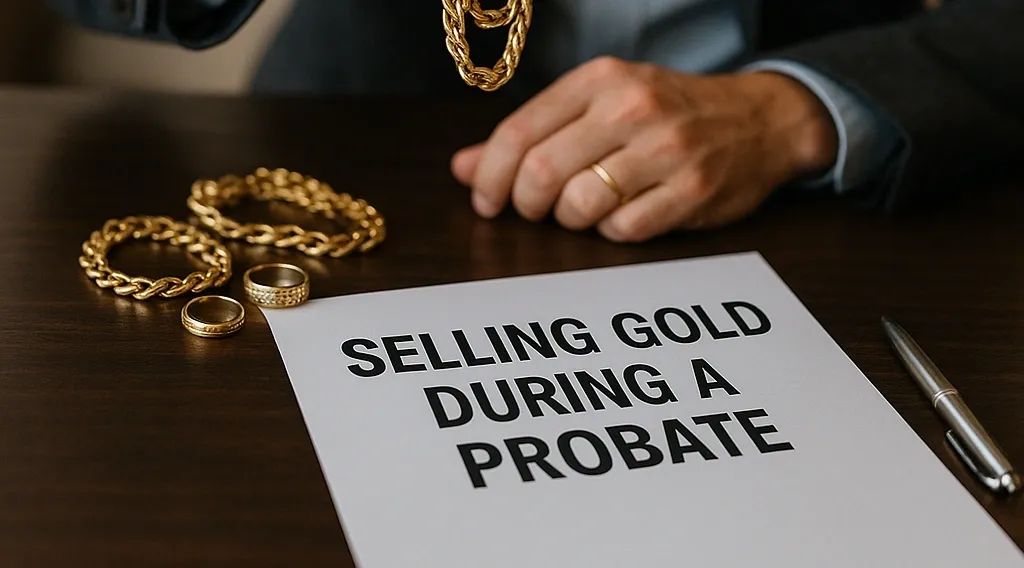
When someone passes away and leaves behind gold investments or jewellery, the executor or administrator of the estate has the responsibility to properly value, manage, and potentially sell these assets during the probate process. This guide provides essential information for executors dealing with gold assets in a UK estate.
Understanding Your Role as an Executor
As an executor or administrator (collectively known as “personal representatives”), you’re legally responsible for the deceased’s assets from the date of death until everything has been distributed to the beneficiaries. This period is known as the “administration period,” and during this time, you must:
- Identify and value all assets, including gold
- Apply for probate if necessary
- Pay any debts and taxes owed
- Distribute remaining assets according to the will or intestacy rules
Types of Gold Assets in an Estate
Gold assets you might encounter in an estate include:
- Gold bullion bars – Physical gold bars of various weights and purity
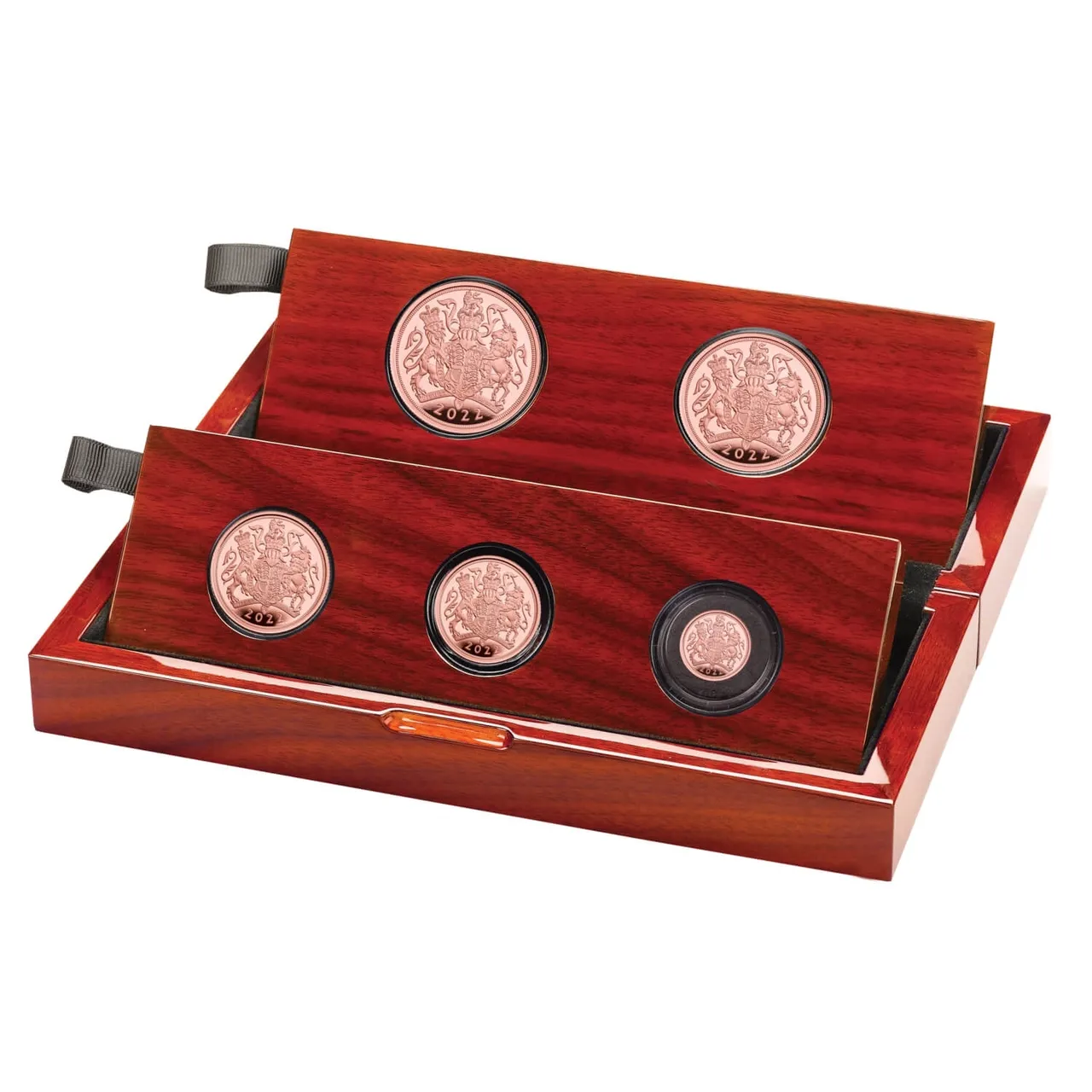
- Gold bullion coins – Investment coins like Sovereigns, Britannias, etc.
- Gold jewellery – Rings, necklaces, watches, and other personal items
- Gold collectible coins – Numismatic or rare coins with value beyond their gold content
- Gold held in pensions or investment funds – Gold investments in financial accounts
Valuing Gold for Probate
The Importance of Accurate Valuations
Accurate valuation of gold assets is crucial for several reasons:
- To determine if inheritance tax is due
- To ensure fair distribution among beneficiaries
- To calculate any capital gains tax if assets are sold
- To satisfy HMRC requirements
Getting Professional Gold Valuations
For probate purposes, gold should be valued as of the date of death. This “probate value” determines the estate’s value for inheritance tax calculations.
It’s important to get professional valuations for gold assets, especially for:
- Valuable jewellery
- Rare or collectible coins
- Large bullion holdings
When obtaining valuations for probate:
- Use professional valuers who specialise in gold and precious metals
- Ensure the valuation is formatted in a way that’s acceptable to HMRC
- Keep all valuation documents for your records
- Consider that insurance valuations often differ from probate valuations
Many specialist companies offer formal probate valuations for a fee (typically around £150), which may be refundable if you later sell the items through them.
Gold Valuation Considerations
When valuing gold, several factors must be considered:
- For bullion: The price of gold on the date of death is the primary factor
- For coins: The collectible value beyond gold content may be significant
- For jewellery: Craftsmanship, brand, provenance, and gemstones all add value
Tax Implications for Gold During Probate
Inheritance Tax
Gold assets form part of the deceased’s estate and may be subject to inheritance tax (IHT) if the total estate value exceeds the current threshold (£325,000 as of 2024/25).
Key IHT considerations for gold:
- Gold is not exempt from inheritance tax
- The value declared must be the market value at the date of death
- Gifted gold within seven years before death may still be counted as part of the estate
Capital Gains Tax
If you sell gold assets during the probate process at a price higher than their valuation at the date of death, Capital Gains Tax (CGT) may be payable on the gain.
Important CGT distinctions:
- Gold bars and foreign coins: Subject to CGT on profits above the annual allowance (£3,000 for 2024/25)
- UK legal tender coins: Gold Britannias, Sovereigns (post-1837), and other Royal Mint coins with face value are exempt from CGT
- Pre-1837 sovereigns: May be exempt under the “chattels” exemption
VAT Considerations
Most investment gold is exempt from VAT in the UK, including:
- Gold of at least 995 purity in bar or wafer form
- Gold coins that meet specific criteria (listed in VAT Notice 701/21A)
However, be aware that silver assets typically attract VAT at the standard rate.
Selling Gold During Probate
When Can You Sell?
As an executor, you can’t usually sell assets until you’ve received the Grant of Probate or Letters of Administration. There are exceptions for small estates or where financial institutions allow it, but significant gold assets typically require probate first.
Best Practices for Selling Gold
When selling gold from an estate:
- Timing considerations: Consider market conditions and gold price trends
- Tax-efficient selling: If selling non-exempt gold, consider spreading sales across tax years to use multiple CGT allowances
- Documentation: Keep detailed records of all sales, including receipts and correspondence
- Beneficiary communication: While executor approval is technically all that’s required, maintaining transparency with beneficiaries is good practice
- Expert assistance: Consider using reputable gold dealers who specialise in probate sales
Where to Sell Gold Assets
Options for selling gold from an estate include:
- Specialist bullion dealers: Often provide the best prices for investment gold
- Auction houses: Good for rare coins or valuable jewellery with collector appeal
- Jewellers: Convenient for small amounts of jewellery but may offer lower prices
- Online platforms: Offer convenience but require careful vetting
Case Study: Tax-Efficient Gold Sales During Probate
Example scenario:
An estate includes 20 gold sovereigns valued at £10,000 at the date of death. Six months later, the gold price has increased, and they’re now worth £11,000.
Option 1: Sell all sovereigns immediately
Option 2: If these were gold bars instead of sovereigns
- Profit of £1,000 would be below the CGT allowance (£3,000)
- No CGT payable, but using part of the estate’s annual allowance
Option 3: If these were valuable gold bars with a £5,000 profit
- CGT would be payable on the £2,000 exceeding the allowance
- Could consider selling across two tax years to utilise two allowances
Practical Steps for Executors Handling Gold
- Secure the gold: Ensure all gold items are safely stored during the probate process
- Create an inventory: Document all gold items with descriptions, weights, and photos
- Obtain valuations: Get professional probate valuations from specialists
- Report to HMRC: Include accurate gold valuations in inheritance tax forms
- Decide on disposal: Determine whether to sell or distribute the physical gold
- Execute the sale: If selling, choose the most appropriate venue and keep records
- Distribute proceeds: Add proceeds to the estate account for distribution
Special Considerations
- Family heirlooms: Consider sentimental value and family wishes alongside financial value
- Specific bequests: Check the will for specific gifts of gold items to beneficiaries
- Joint ownership: Gold owned jointly may pass directly to the surviving owner
- Foreign gold: Assets held overseas may have different tax implications
Conclusion
Handling gold assets during probate requires careful attention to valuation, tax rules, and proper process. By understanding the different types of gold assets and their tax treatments, executors can ensure they fulfil their legal duties while maximising value for beneficiaries.
Always consider seeking professional advice from a probate specialist, accountant, or solicitor if you’re uncertain about any aspect of managing gold assets during probate.
Disclaimer: This guide provides general information only and should not be considered legal or financial advice. Tax rules and allowances are subject to change. Always consult with a qualified professional regarding your specific circumstances.