Selling Indian Gold Jewellery in Leicester
Introduction
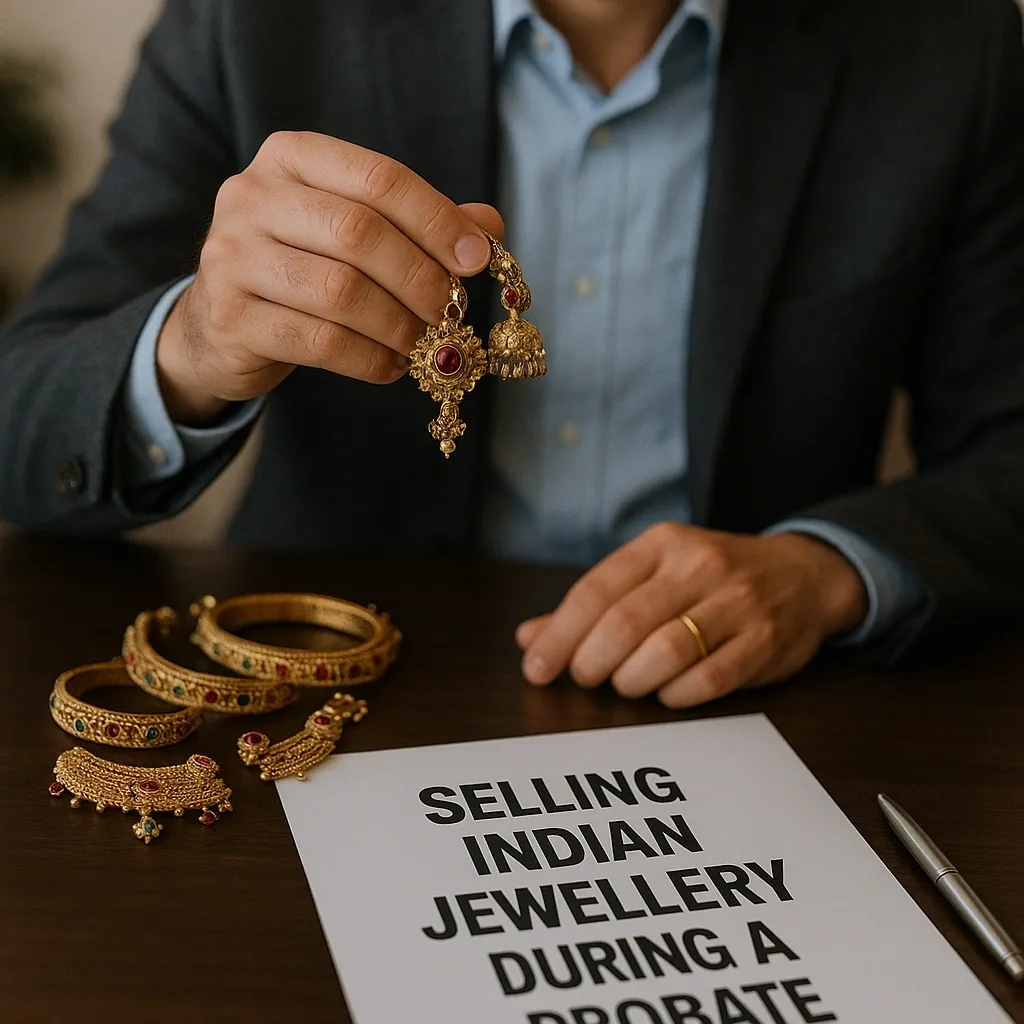
Indian gold jewellery holds significant cultural and sentimental value, often passed down through generations as family heirlooms. Whether you’re looking to sell inherited pieces, upgrade your collection, or simply release capital from your gold assets, understanding the unique aspects of selling Indian gold jewellery in the UK market is essential for getting a fair price.
This comprehensive guide covers everything you need to know – from understanding Indian gold purity standards to navigating UK-specific regulations, valuation methods, and tax implications.
Understanding Indian Gold Jewellery
Cultural Significance
Indian gold jewellery isn’t merely an accessory or investment; it often carries deep cultural and emotional significance:
- Family Heritage: Gold jewellery is traditionally passed down through generations as heirlooms, representing family wealth and continuity
- Ceremonial Importance: Specific pieces hold ritual significance for weddings, religious ceremonies, and important life events
- Symbol of Security: Gold is viewed as a form of financial security, particularly for women
- Status Symbol: The quality and quantity of gold jewellery often signifies social standing
This cultural context can make the decision to sell Indian gold jewellery emotionally complex. It’s important to acknowledge these aspects when considering parting with significant pieces.
Purity Standards and Karat System
Indian gold jewellery typically has higher purity levels compared to Western jewellery:
- 24 Karat (99.9% pure): The purest form of gold, often used for investment and some ceremonial jewellery
- 22 Karat (91.6% pure): The most common purity for Indian jewellery, offering a good balance between purity and durability
- 18 Karat (75% pure): Less common in traditional Indian jewellery, but used for certain designs
One important note: Indian gold is traditionally measured in ‘tola’ rather than grams in many regions. One tola equals approximately 11.664 grams.
Hallmarking Differences
Unlike the UK’s strict hallmarking system, India has only relatively recently implemented a voluntary hallmarking system:
- Bureau of Indian Standards (BIS): The official Indian hallmarking system, which includes:
- BIS logo
- Purity/fineness mark
- Assay centre mark
- Jeweller’s identification mark
- Year of marking
However, many older Indian jewellery pieces may not carry hallmarking, and even those that are stamped might not meet the purity standards indicated on the stamp. This creates unique challenges when selling in the UK market, where consumers and dealers expect clear hallmarks.
Valuation Challenges for Indian Gold Jewellery
Purity Verification Issues
One of the biggest challenges when selling Indian gold jewellery in the UK is verifying its true purity:
- Hallmarking Discrepancies: Many pieces stamped as 22K may actually be closer to 21K due to more relaxed regulations
- High Solder Content: Intricate Indian designs often contain a significant amount of lower-purity solder
- Testing Limitations: Standard acid tests may not provide accurate results for complex pieces
These factors can impact the final price you receive, as UK buyers will typically test the gold and pay based on actual purity rather than stamped markings.
Weighing and Deductions
When selling Indian gold jewellery, be aware of common deductions in the valuation process:
- Gemstones and Non-Gold Elements: These will typically be deducted from the total weight
- Stone-Setting Materials: Lacquer, cement, or other materials used to set stones
- Hollow Sections: Many Indian pieces have hollow components that affect the gold weight
Cultural Versus Scrap Value
Indian jewellery value can be separated into two main components:
- Intrinsic Gold Value: The worth of the gold content based on weight and purity
- Craftsmanship/Antique Value: The artistic or historical worth of the piece
In the UK, unless selling to a specialist in Asian gold or a collector, most buyers will only pay for the intrinsic gold value, treating the jewellery as “scrap gold” regardless of its craftsmanship or cultural significance.
Special Technology for Valuing Indian Gold
Due to the unique challenges of valuing Indian gold jewellery, some UK buyers use specialized technology:
- XRF Analysis: X-ray fluorescence technology can accurately determine gold content without damaging the jewellery
- Ultrasonic Testing: Used to identify hollow sections or non-gold components
- Spectrometry: Advanced testing that can provide detailed metal composition analysis
When selling valuable Indian jewellery, seek buyers who use these technologies for more accurate and fair valuations.
UK Market Options for Selling Indian Gold Jewellery
Specialist Asian Gold Buyers
Some UK buyers specialise in Indian and Asian gold jewellery:
- They understand cultural significance and craftsmanship value
- May have connections with buyers who specifically seek Indian designs
- More experienced in accurately assessing non-hallmarked gold
- Often located in areas with large South Asian communities
High Street Jewellers and Pawnbrokers
Traditional UK jewellers and pawnbrokers will buy Indian gold, but:
- Typically pay only for the scrap gold value
- May apply higher deductions due to uncertainty about purity
- Unlikely to recognise craftsmanship value
Online Gold Buying Services
Many online gold buyers accept Indian jewellery:
- Convenient postal service options
- Live gold price calculators
- May offer competitive rates
- Usually treat items as scrap gold
Auction Houses
For particularly valuable, antique, or historically significant pieces:
- Can attract buyers who appreciate the cultural and artistic value
- Potentially higher returns than scrap gold prices
- Specialist Asian art auctions may be particularly suitable
Price Calculation for Indian Gold Jewellery
The basic formula for calculating gold jewellery value is:
Gold Value = Weight × Purity × Current Gold Price per Gram
For Indian gold jewellery, this would typically look like:
- Weigh the gold in grams (convert from tola if necessary)
- Determine the gold content percentage:
- 22K gold = 91.6% pure (0.916)
- 24K gold = 99.9% pure (0.999)
- Check the current gold price per gram in GBP
- Multiply all three figures
For example, a 22K Indian gold necklace weighing 20 grams with a current gold price of £50 per gram would be worth approximately: 20g × 0.916 × £50 = £916
However, buyers will typically offer 70-90% of this calculated value to account for their profit margin, refining costs, and business overheads.
Tax Implications When Selling Indian Gold Jewellery
Capital Gains Tax (CGT)
When selling Indian gold jewellery in the UK, you may be liable for Capital Gains Tax if the profit exceeds your annual tax-free allowance (£3,000 for 2024/25):
- CGT applies to the profit made (selling price minus purchase price)
- If you inherited the jewellery, the purchase price is considered to be its market value at the time of inheritance
- The rate varies from 18% to 24%, depending on your income tax band
Inheritance Tax Considerations
If you’ve inherited Indian gold jewellery:
- The value of the jewellery would have been part of the deceased’s estate for Inheritance Tax calculations
- If you sell soon after inheriting, you’re unlikely to incur additional Capital Gains Tax
- Record-keeping is essential for demonstrating the inheritance provenance
Tax-Efficient Selling Strategies
To minimise tax implications:
- Consider splitting sales across different tax years to utilise multiple annual CGT allowances
- Keep detailed records of purchase/inheritance documentation
- Seek professional tax advice for high-value collections
Practical Steps for Selling Indian Gold Jewellery
1. Documentation and Preparation
Before approaching buyers:
- Gather any original purchase receipts or certificates
- Collect inheritance documents if applicable
- Take clear, well-lit photographs of the jewellery
- Record weights and measurements
- Note any hallmarks or stamps
2. Independent Valuation
Consider getting an independent valuation:
- Provides baseline knowledge before approaching buyers
- May identify pieces with value beyond gold content
- Helps identify any particularly rare or collectible items
- Specialist valuers familiar with Indian jewellery are preferable
3. Research Current Gold Prices
Stay informed about gold market values:
- Check daily gold prices (in GBP per gram)
- Understand how 22K and 24K gold prices relate to pure gold prices
- Be aware that buyers will pay less than the market rate
4. Approach Multiple Buyers
To ensure you get the best price:
- Get quotes from at least 3-5 different buyers
- Include specialist Asian gold buyers in your comparisons
- Ask specifically how they test gold purity
- Inquire about their buying process and payment methods
5. Understand Testing Procedures
When a buyer evaluates your jewellery:
- Ask to observe the testing process
- Ensure non-destructive testing for valuable pieces
- Confirm which parts of complex items are being tested
- Understand any weight deductions for stones or non-gold components
6. Negotiate with Knowledge
Armed with your research:
- Be prepared to challenge significantly low offers
- Highlight any special features or collectible aspects
- Discuss craftsmanship if dealing with specialist buyers
- Be willing to walk away if offers seem unreasonable
Case Study: Selling Inherited Indian Gold Bangles
Mrs. Patel inherited six 22K gold bangles from her grandmother. Here’s how she navigated the selling process:
- Documentation: She located family photos showing her grandmother wearing the bangles and found the original gift deed.
- Valuation: An independent valuer confirmed they were authentic 22K gold but noted the hollow construction would affect weight valuation.
- Research: Mrs. Patel calculated the approximate gold value based on the current rate of £52/gram for 22K gold and the combined weight of 60g: 60g × £52 = £3,120.
- Multiple Quotes:
- High street jeweller: £2,180 (70% of gold value)
- Local pawnbroker: £2,340 (75% of gold value)
- Specialist Asian gold buyer: £2,650 (85% of gold value, recognising the craftsmanship)
- Online gold buyer: £2,496 (80% of gold value)
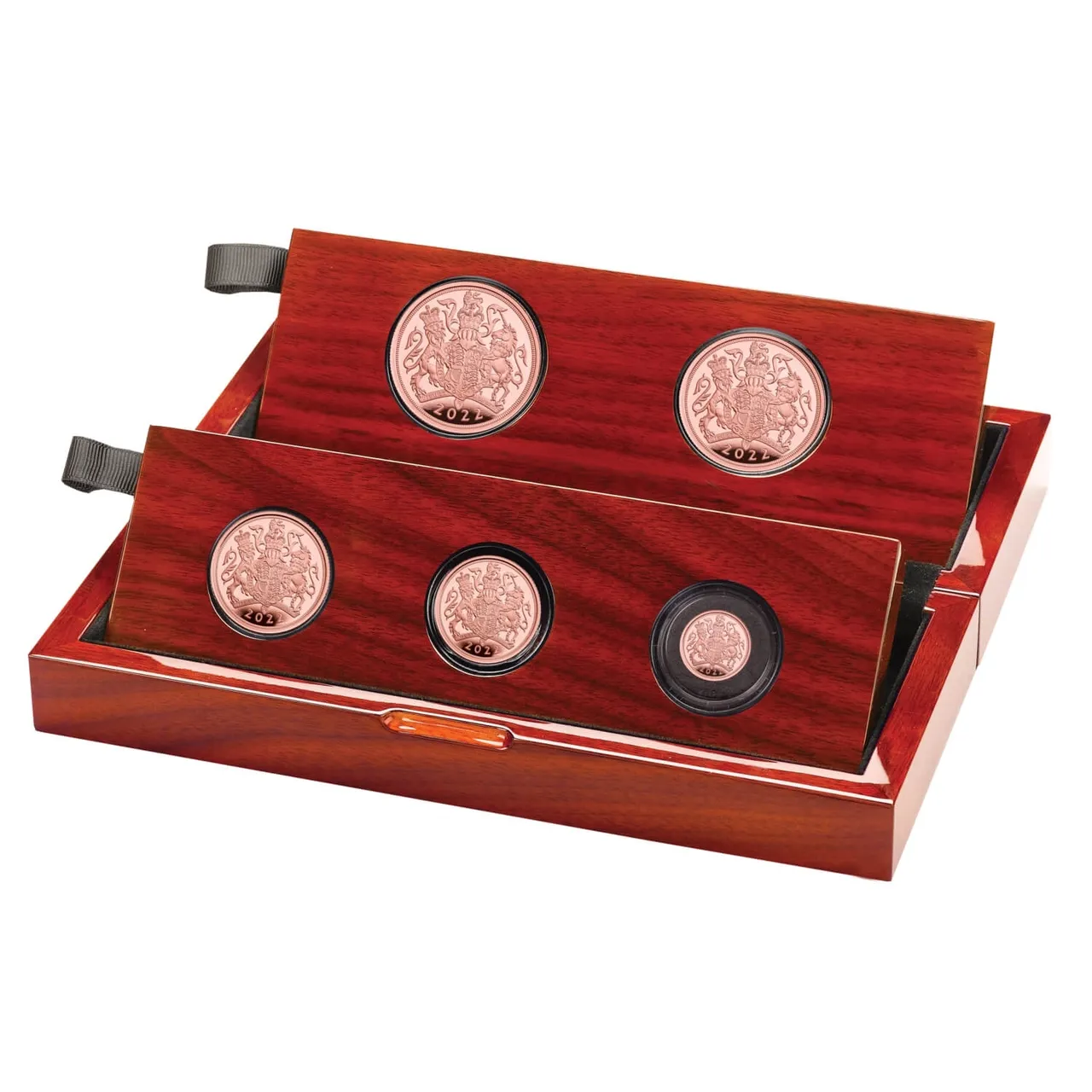
- Premium numismatics: Up to £2964 95% of the value.
- Decision: Mrs. Patel chose the specialist Asian gold buyer, who also mentioned having a customer specifically looking for traditional bangles, potentially increasing their resale value.
Special Considerations for Antique Indian Jewellery
Traditional Indian jewellery over 100 years old may have additional value:
- Historical Significance: Pieces from specific periods (Colonial, Mughal, etc.)
- Unique Craftsmanship: Traditional techniques that are no longer widely practiced
- Regional Styles: Specific designs from regions like Gujarat, Rajasthan, or South India
For such pieces, consider specialist antique jewellery buyers or auction houses rather than standard gold buyers.
Conclusion
Selling Indian gold jewellery in the UK requires understanding both cultural nuances and practical market realities. By being informed about purity standards, valuation methods, and the right selling channels, you can ensure you receive a fair price for your treasured pieces.
Remember that while most UK buyers will primarily value your jewellery for its gold content, specialist buyers exist who recognise the craftsmanship and cultural significance of Indian gold jewellery. Taking the time to find the right buyer can make a significant difference in the final price you receive.
Whether your jewellery holds primarily financial or sentimental value, this guide aims to help you navigate the complex process of transitioning these precious items into their next chapter – whether that’s a new owner who will appreciate their beauty or the financial freedom that comes from unlocking their monetary value.
Resources for Selling Indian Gold Jewellery
- Gold Price Trackers: Websites and apps that show current gold prices in GBP
- Specialist Asian Gold Buyers: Look for companies with specific expertise in Indian jewellery
- Professional Valuation Services: For independent assessment before selling
- HMRC Guidelines: For understanding tax obligations when selling valuable assets
- Cultural Organisations: Some community organisations offer advice on selling cultural items respectfully
Disclaimer: This guide provides general information only and should not be considered legal, financial, or tax advice. Tax rates and regulations are subject to change. Always consult with a qualified professional for advice specific to your situation.
UK Capital Gains Tax on Gold: A Comprehensive Guide
Selling British Pre-Decimal Silver Coins
Selling Royal Mint Commemorative Coins: A Realistic Guide
Understanding Bullion: What You Need to Know Before You Sell