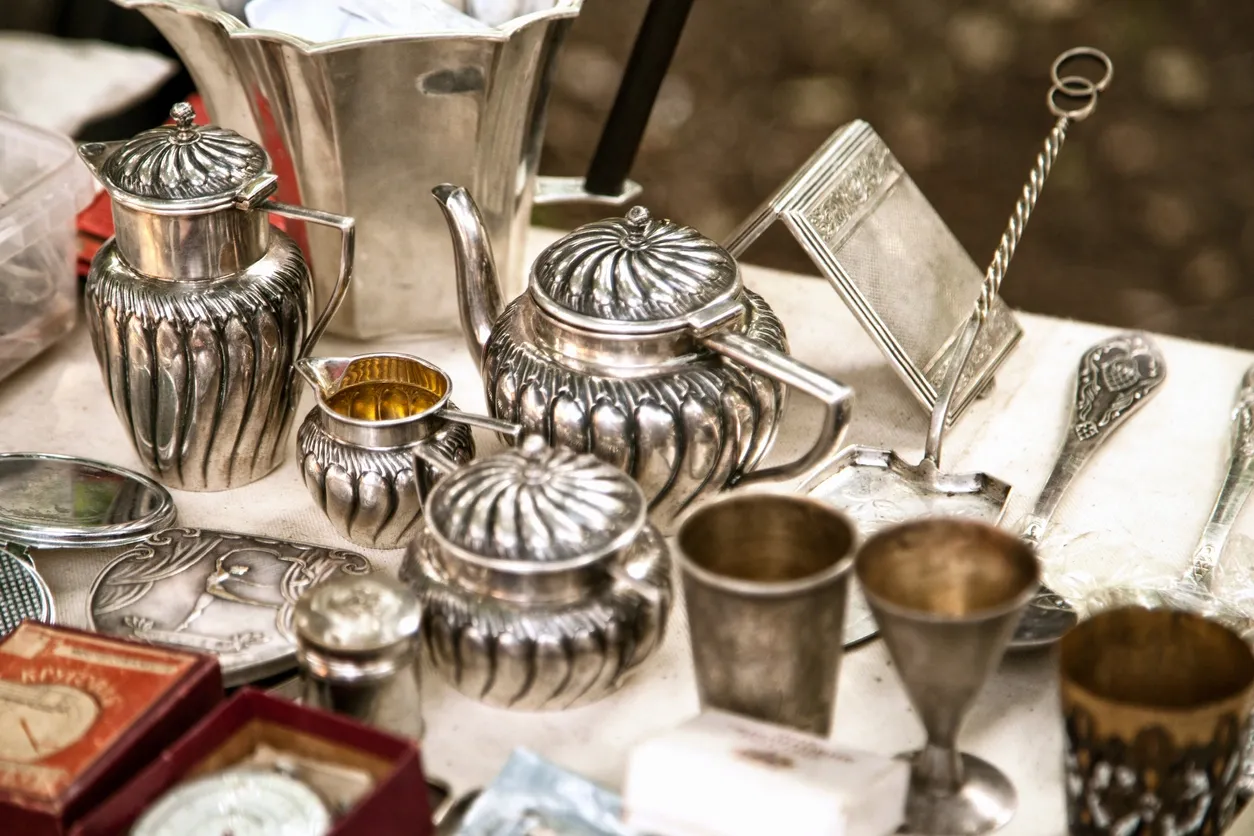
As a specialist in buying and selling collectibles, we often come across people who want to sell their silverware. Although we are always happy to value your silverware at Premium Numismatics, we also appreciate people may want to try and sell their silver at auctions, or in locations we cannot support.
Please see our simple guide on selling your silverware.
1. Understand the Hallmarks
Silverware in the UK is often stamped with hallmarks that indicate its purity, origin, and age. Understanding these marks can help you ascertain the true value of your items. Look for symbols like the lion passant for sterling silver or the date letter which changes annually.
2. Know the Current Silver Prices
Silver prices fluctuate daily. Before selling your silverware, check the current market price per ounce. This will give you a baseline for what your silverware might be worth based on its silver content alone.
3. Evaluate the Condition
The condition of your silverware significantly affects its value. Antique pieces in excellent condition with minimal scratches or tarnish are likely to fetch a higher price. Consider professional cleaning but be cautious of damaging antique patinas.
4. Research the Maker and Provenance
Silverware from renowned makers or with a documented history can be more valuable. Research the maker’s marks and try to trace the history of the piece. Provenance can add to the value, especially if it’s linked to significant events or persons. If in doubt, feel free to reach out to us.
5. Weigh the Silverware
Not all silverware is worth premiums. Unfortunately most modern silverware is sold off as scrap as the demand for silverware is fairly limited. Knowing the weight of your silverware can help in estimating its value, especially for items that are sold for their scrap value. Make sure to use a precise scale that can measure in grams or ounces.
6. Consider the Rarity and Desirability
Rare patterns and pieces that are in high demand tend to sell for more. Limited edition pieces or items from discontinued patterns are particularly valuable to collectors.
7. Assess for Full Sets
A complete set of silverware often holds more value than individual pieces. If you have a full dining set, including serving utensils, it could significantly increase the interest from buyers.
8. Understand Buyer’s Fees
If you’re selling through an auction or dealer, be aware of any commissions or fees that will be deducted from your sale price. Understanding these fees upfront will help you negotiate better and assess fair offers. Some fees can be as high as 20%.
9. Explore Selling Options
Consider different venues for selling your silverware: local antique shops, online marketplaces, auctions, or direct to collectors. Each has benefits and drawbacks depending on your needs for speed, convenience, and price.
10. Get a Professional Appraisal
For valuable or antique silverware, it’s wise to get a professional appraisal. An expert can provide insights into the authenticity, quality, and value of your silverware, ensuring you get the best possible price. Our experts are well versed in the different types of silver and their values and would be happy to arrange a house visit or see you in-store.